Cinema Drone Indonesia – Throughout the last 70 years of film making, advancements in technology were quickly filtered down from professionals to consumers. This includes high end cameras, lights, lenses, and sound equipment. However, one technology that was normally out of range for smaller productions was aerial imaging. The price of chartering a helicopter with a gimbal has always been prohibitive to independent film makers. However, in the last decade the rapid advancements in drone technology means aerials are no longer only exclusive to large budget productions.
 The Rapid Drone Evolution
Drones are evolving rapidly. Only 10 years ago companies such as DJI were on their first generation products which were quite limited. However, technology is advancing rapidly and new drones are coming out all the time. In 2013, a DJI semi pro drone would need a GoPro attached and only have 10 minutes worth of battery. However, in the last 8 years the technology advancements are fast and furious! It’s now easy to operate drones with camera systems such as RED or ARRI for an independent production. DJI itself also offers drones with professional camera systems such as the Inspire system. This drone comes complete with a cinema camera offering RAW video technology.
There are also a myriad of smaller drones available on the market. Consumer drones such as the DJI Mavic and Point of View drones are widely available. These less expensive options offer more compact drones that are easier to travel with. The cameras may not be cinema style but the quality is certainly high enough for most productions. The unique style that POV drones offer is a filming angle that has never been available before. The incredible scenes that these offer is truly eye catching stands out on the screen.

Licensed Drone Pilot
Of course having a drone is only one step in the process. A skilled pilot is a must when trying to capture high quality footage. It takes hundreds of hours of practice in order to master the confidence and skill required for quality filming. Skill is one requirement but there is also another that is often overlooked. To fly a drone for a commercial production requires both a licensed pilot and the proper permits. Indonesia requires the proper documentation for any production that plans to use aerial imaging. Indo Pacific Films is proud to have a fully licensed commercial drone pilot as part of our team.
What We Offer – Cinema Drone Indonesia
Our licensed drone pilot takes care of all the proper flying permits required for a production. This includes working with the national film board as well as local airport authorities. Receiving these permits does take time, please allow a few weeks for this when considering filming. We are proud to offer the DJI Inspire 2 as our aerial imaging workhorse. It comes complete with the Zenmuse X7 cinema camera which offers 6K Cinema DNG imagery. The setup consists of the full selection of 4 lens choices: 16, 24, 35, and 50mm. For still photographs, the camera produces 24mp high end photos. For smaller productions we also have a DJI Mavic 2 Pro available.

Drones truly are a mainstay of any modern production. The incredible scenes that these tools can produce add a touch of class to any film. The unique angles and views that aerials add to a scene are mind-blowing indeed. If you are interested in hiring a licensed pilot and cinema quality drone for your production then please Contact Us today to discuss the possibilities.
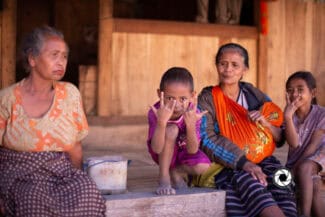 The mountainous interior of the island means that the local populations developed in isolation. This means that each area has distinct cultural traditions and languages. Although mainly Catholic, the local people maintain many of their ancient traditions. For photographers and documentary film makers, this means an incredible opportunity to create. The intricate dances and ceremonies that take place during harvest festivals are a treasure to observe. With very few outsiders visiting the interior of the island, everyone is welcomed to attend. The key is attending festivals that are not a set performance for tourists. We can help organize this via our web of local knowledge.
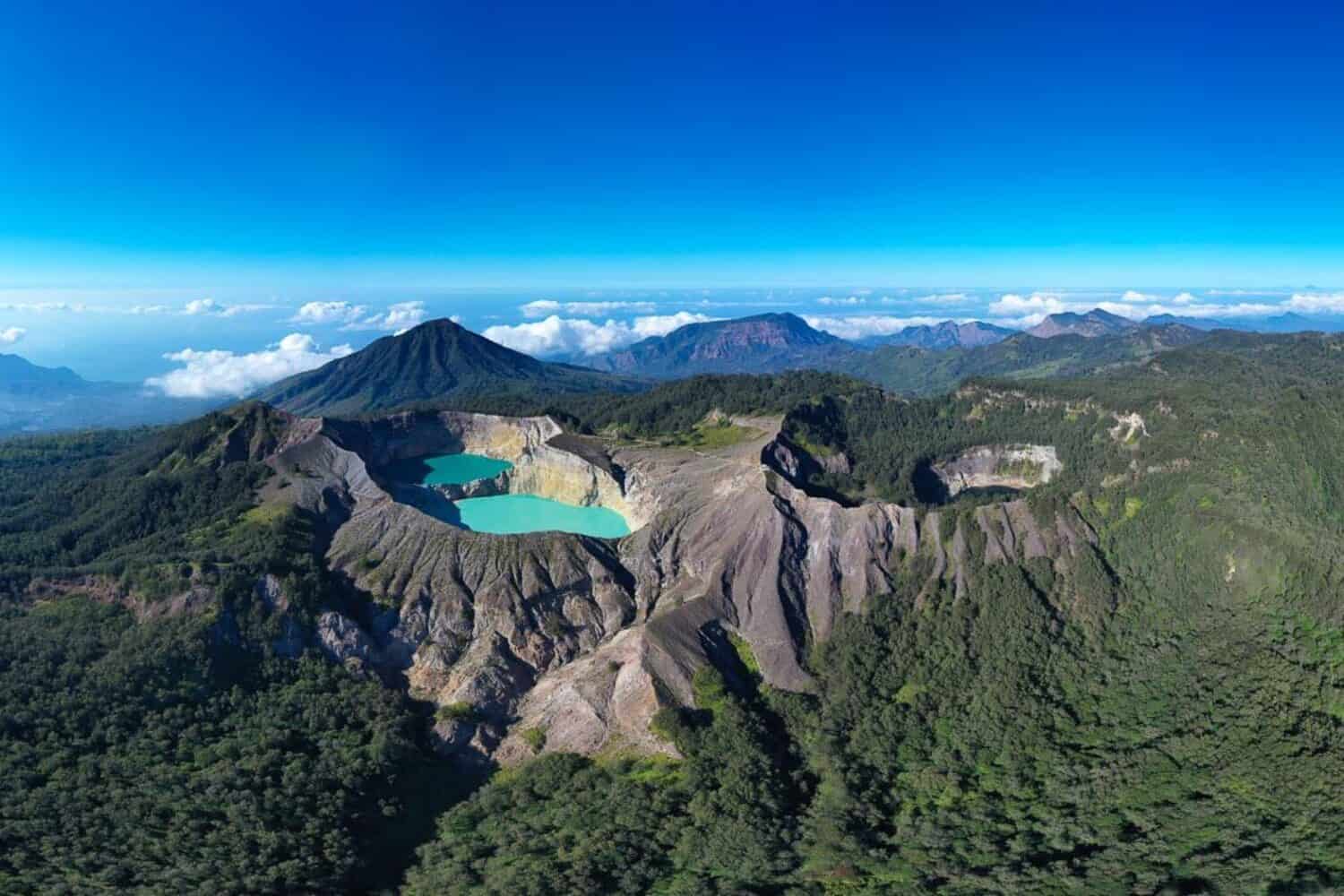
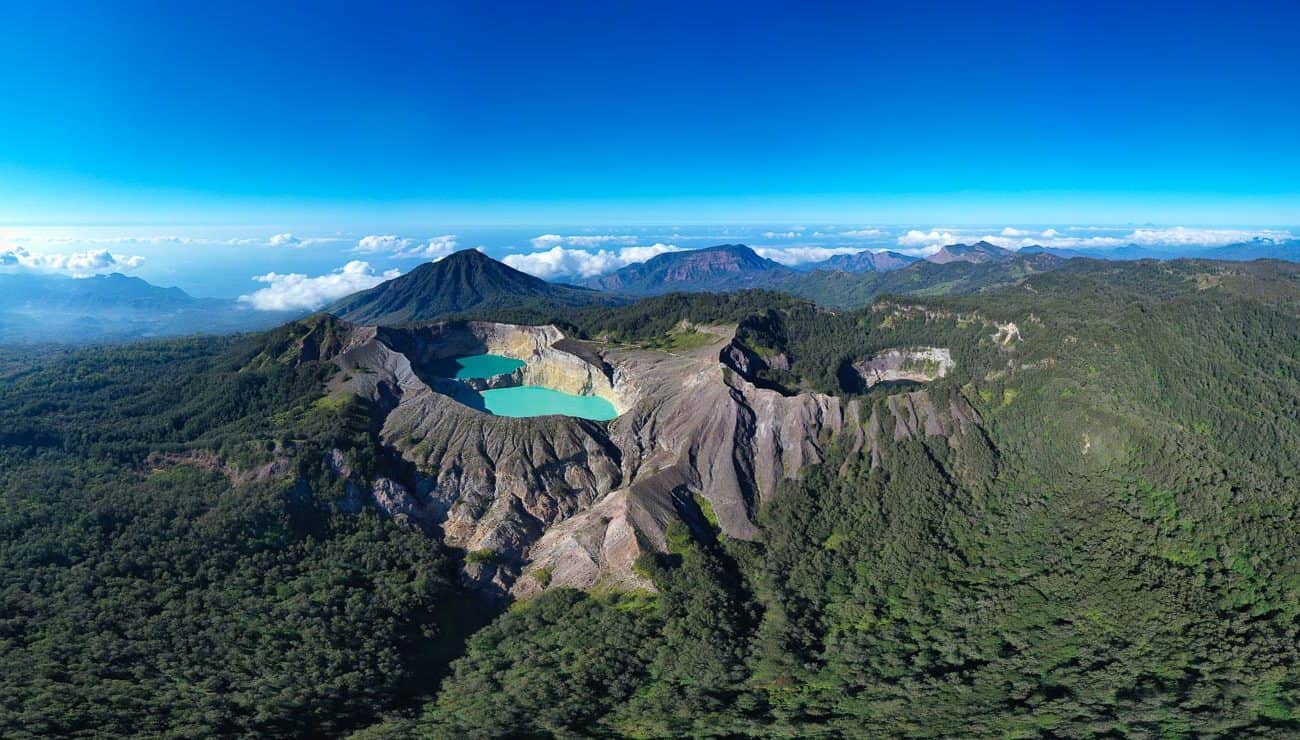
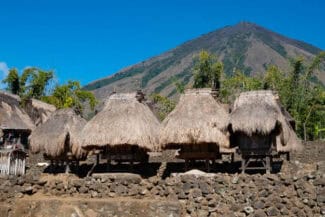 The narrow island has a spine of high mountains running from east to west. These continuous range of mountains and the island itself are the result of the nearby plate subduction zone. The Indo Australian tectonic plate is sinking beneath the Eurasian plate which creates the Indonesian part of the “Ring of Fire”. With subduction comes the creation of volcanoes and Flores has no shortage of those! There are 11 active and many extinct volcanoes in Flores. They range in form and shape from the classic pyramid shape to a more flat topped variety. What they all share in common is a wonderful green jungle landscape. For content creation, there is nothing more beautiful than the early morning light on a mountain with mist rising from the trees. Flores offers these landscapes from one end of the island to the other.
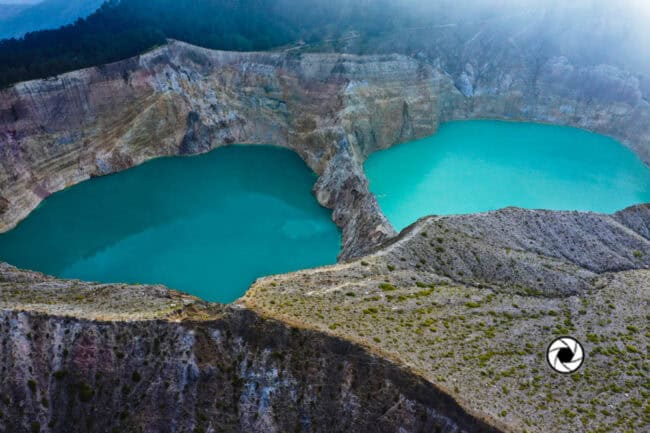 With a mix of volcanoes, ancient houses, beautiful jungles, and and ancient and thriving culture, Flores island offers endless opportunities for the film maker. Knowing where and when to go is also important. We can help aspiring film crews to organize their trip to this beautiful and little known territory.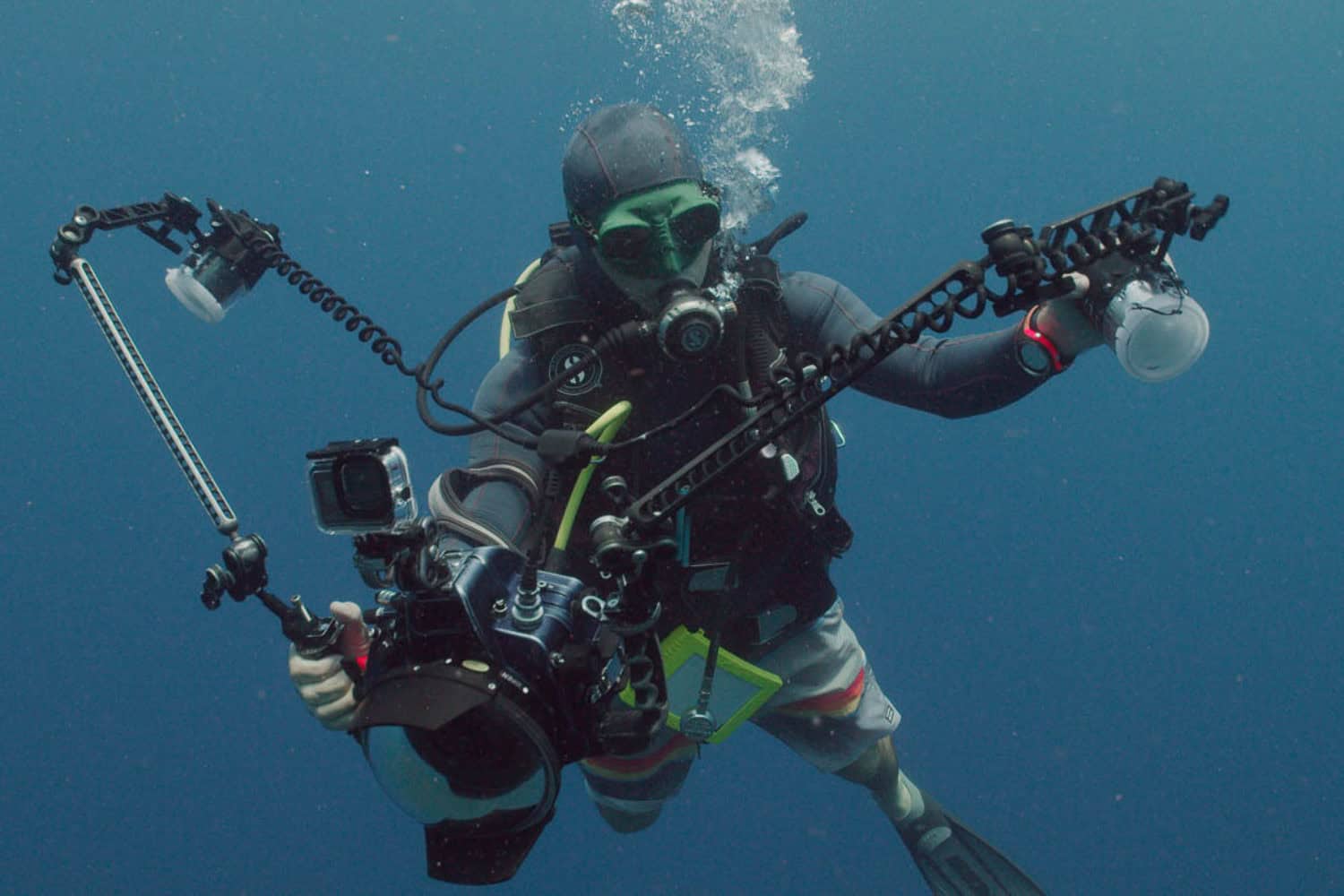
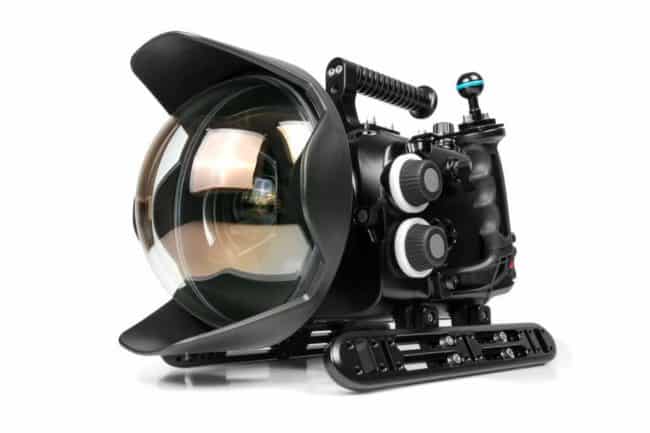 Although it’s often used in many productions, from BBC documentaries to feature films, underwater filming is a mystery to many. There are many forms of underwater filming, from shallow bath tub shots to deep sea cinematography. Each of these disciplines requires both the necessary skillset as well as the right equipment. In this article we will discuss the tools that are needed to film on scuba.
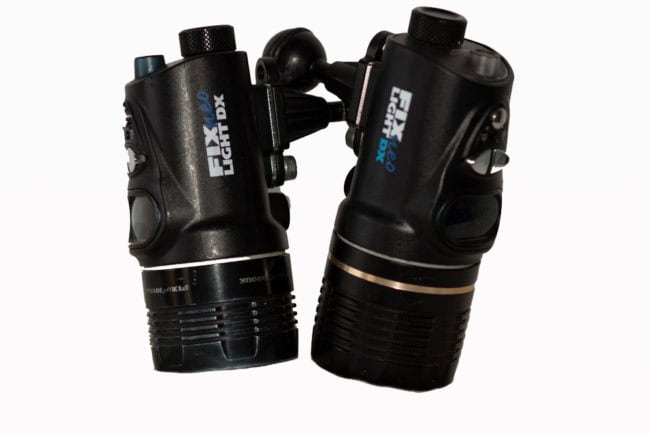 There is nothing worse for filming than the colour sapping effect of water. The colour spectrum of water is adversely affected by depth which means that in as shallow of water as 10 ft (3 metres), the red spectrum is gone! Once past 20 feet (7 metres or so) then everything pretty much appears blue/green. In order to get true colour on the screen underwater lights are needed. Lights come in many sizes and brightness, however, with the advent of LED technology over the years, quality lighting has become more affordable. When it comes to underwater lighting, it’s always best to have more. Modern lights have many power settings so even the brightest lights can be turned down. For macro/close up work, not as much light is needed. However, for wide angle work, bright lights are needed to bring out the rich colours underwater.
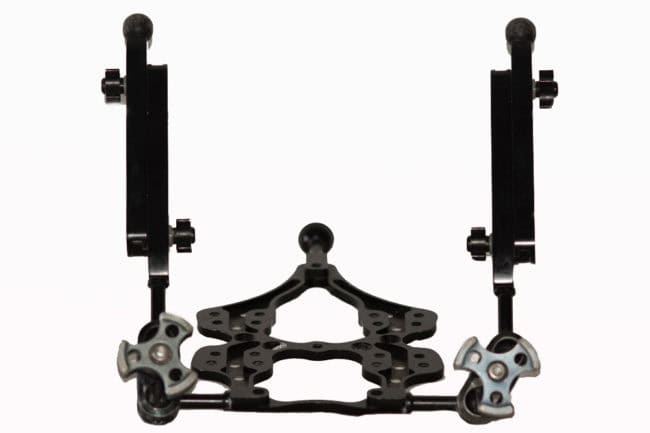 Although many would not think of it for underwater, a tripod is a very useful tool. The main use of a tripod is for static shots when using a narrow angled lens. Keeping the camera still underwater is not easy as such effects of current, waves, and the act of breathing all create movement. When shooting marine life an underwater tripod comes in very handy. It can also be used for wider scenes such as capturing schools of fish moving over coral reefs. There are also uses for tools such as sliders when capturing natural history behaviour.
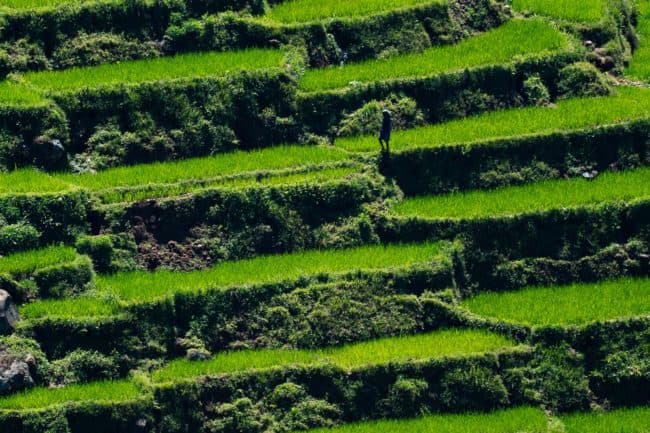
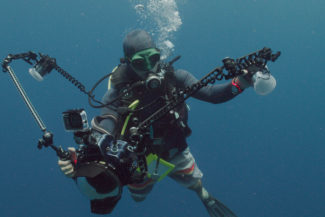 We have been working in the photography and filming business for 20 years. Our first specialty lies in the underwater world. We have thousands of dives under our belts with cameras in hand. This long experience underwater allows us to be comfortable and confident underwater in all environments. This means that our underwater work is rock steady and professional. Clients looking for underwater imagery want steady and colourful work, the best way to achieve this is to work with professional underwater camera people.
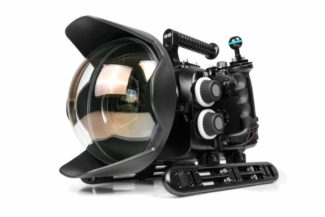 We do have a limited amount of equipment for rent. Our main rental option is the RED Gemini 5K. We can also offer the full underwater equipment that is needed for this camera to film below the surface. Please ask us for our rental pricing.